Punjab Government Wage Increase 2026: Complete Guide for Workers

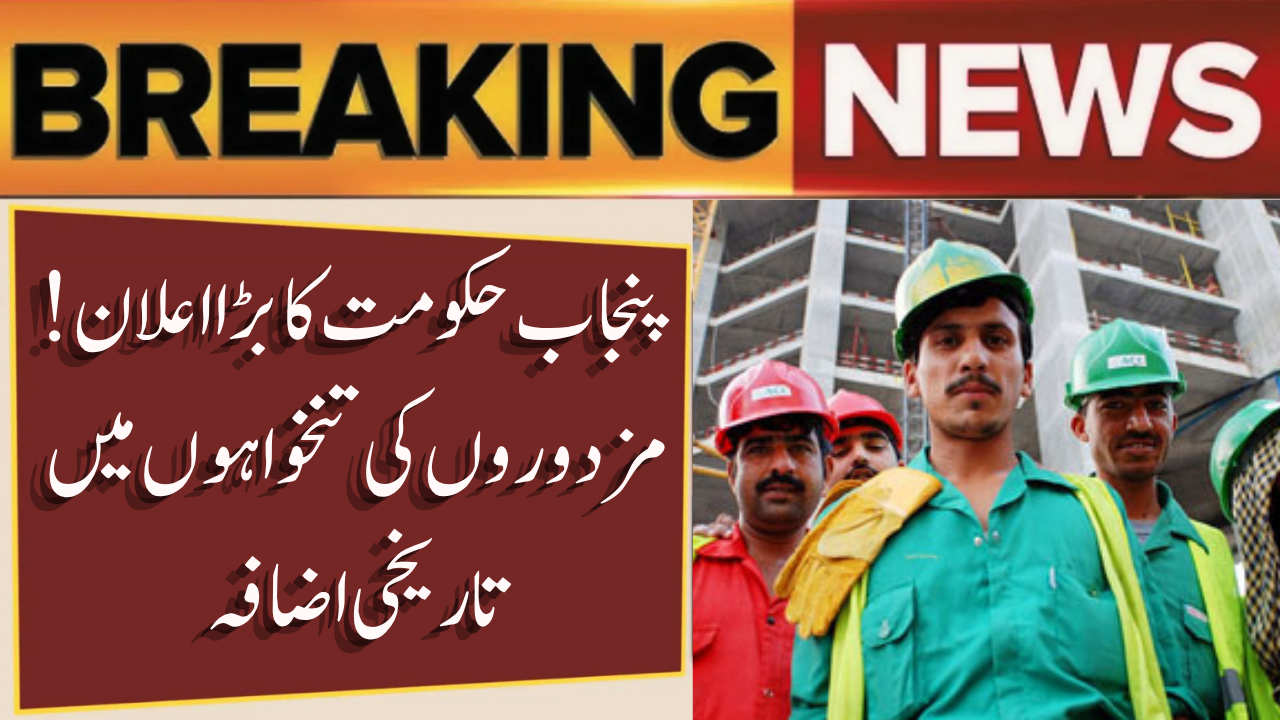
The Punjab Government Wage Increase announced in 2026 brings significant relief to thousands of daily-wage, contract, and industrial workers across the province. This new wage structure aims to ensure fair pay for skilled, semi-skilled, and unskilled workers while addressing rising living costs and inflation.
This guide breaks down the latest wage rates, allowances, deductions, compliance requirements, and the overall impact on workers and businesses.
Quick Overview of Punjab Government Wage Increase
| Program / Policy | Start Date | End Date / Effective From | New Wage / Assistance Amount | Implementation Method |
|---|---|---|---|---|
| Punjab Minimum Wage (Industrial/Commercial) | 1 July 2026 | Ongoing | Minimum monthly wage: Rs 40,000 for 26 working days | Employers must comply; enforcement via Labour Department |
| Daily & Monthly Rates by Skill Level | Sept/Oct 2026 | Ongoing | Skilled: Rs 1,975/day or Rs 45,945/month; Semi-skilled: Rs 1,558/day or Rs 43,108/month; Unskilled: Rs 1,538/day or Rs 40,000/month | Employers adjust payroll and display wage charts; Labour Dept conducts compliance checks |
What’s the New Wage Structure?
Minimum Wage Fixed at Rs 40,000
The Punjab Labour & Human Resource Department has set the minimum wage at Rs 40,000 per month for industrial and commercial workers, calculated for 26 working days.
Breakdown:

- Daily wage: ~ Rs 1,538
- Hourly wage: ~ Rs 192
Revised Wage Rates by Skill Level
The new structure also introduces tiered wages based on skill level:
- Skilled workers: Rs 1,975/day or Rs 45,945/month
- Semi-skilled workers: Rs 1,558/day or Rs 43,108/month
- Unskilled workers: Rs 1,538/day or Rs 40,000/month
This approach ensures higher pay for higher skills while maintaining a fair minimum for all workers.
Allowances, Deductions & Conditions
Employers may deduct certain costs only with worker consent:

- Rs 100 per meal
- Rs 1,800 per month for transportation
- Rs 2,000 per month for accommodation
Important: No worker earning above the new minimum will see a reduction in their salary.
Scope and Compliance
- Applicable to industrial and commercial establishments across Punjab
- Equal pay for equal work, including female workers
- Employers must display wage charts, maintain payroll records, and allow labour inspections
Why This Wage Increase Was Needed
Addressing Inflation & Cost of Living
Rising food, fuel, transport, and utility costs have burdened workers. Setting a minimum wage of Rs 40,000 ensures better financial security and quality of life.
Formalizing Labor & Reducing Exploitation
Many workers previously received informal, underpaid wages. The new system encourages proper record-keeping and reduces exploitation.

Boosting Productivity & Economy
Higher wages increase workers’ purchasing power, stimulate spending, and support economic growth across Punjab.
Implementation & Enforcement
Who Monitors Compliance?
The Punjab Labour Department and district labour officers ensure:
- Wage charts are displayed
- Payroll records are maintained
- Worker complaints are handled via helpline or local offices
Worker Responsibilities
- Verify that your employer follows the new wage structure
- Keep track of any deductions and ensure they are authorized
- Report any underpayment to the labour department
Challenges and Considerations
- Some private contractors may delay compliance
- Cumulative deductions could reduce net pay
- Contract and informal workers may find it harder to enforce their rights
Impact of Punjab Government Wage Increase
For Workers
- Guaranteed minimum income improves living standards
- Skill-based pay rewards higher expertise
- Encourages upskilling for better wages
For Employers & Businesses
- Payroll adjustments may increase costs
- Better wages can reduce turnover and improve productivity
- Requires strict record-keeping and compliance
For the Economy
- Higher worker incomes boost consumer spending
- Formalized wages improve labor market transparency
- Sets benchmarks for nationwide labor reforms
Frequently Asked Questions
Does this apply to contract workers?
Yes, if they work in industrial or commercial establishments covered by the notification.

What if my salary is below Rs 40,000?
Workers can report underpayment to the Labour Department.
Can employers deduct more than allowed?
No, only meal, transport, and accommodation deductions with consent are permitted.
When did the new wage rates start?
Minimum wage increment effective from 1 July 2026, with skill-based rates notified later in 2026.

Will my salary decrease because of this?
No, workers earning above the new minimum are protected.
Conclusion
The Punjab Government Wage Increase 2026 is a decisive step toward fair labor practices, worker empowerment, and economic growth. By establishing a clear minimum wage and skill-based tiers, Punjab ensures better financial security for workers, reduces exploitation, and encourages skill development. Compliance by employers is essential to fully realize the benefits, while workers must stay informed about their rights.






Aatish Khan is an SEO Expert with the experience of many years. His expertise are in Content Writing.