Clean Punjab Waste Tax 2026 – A Game-Changer for Sanitation in Punjab

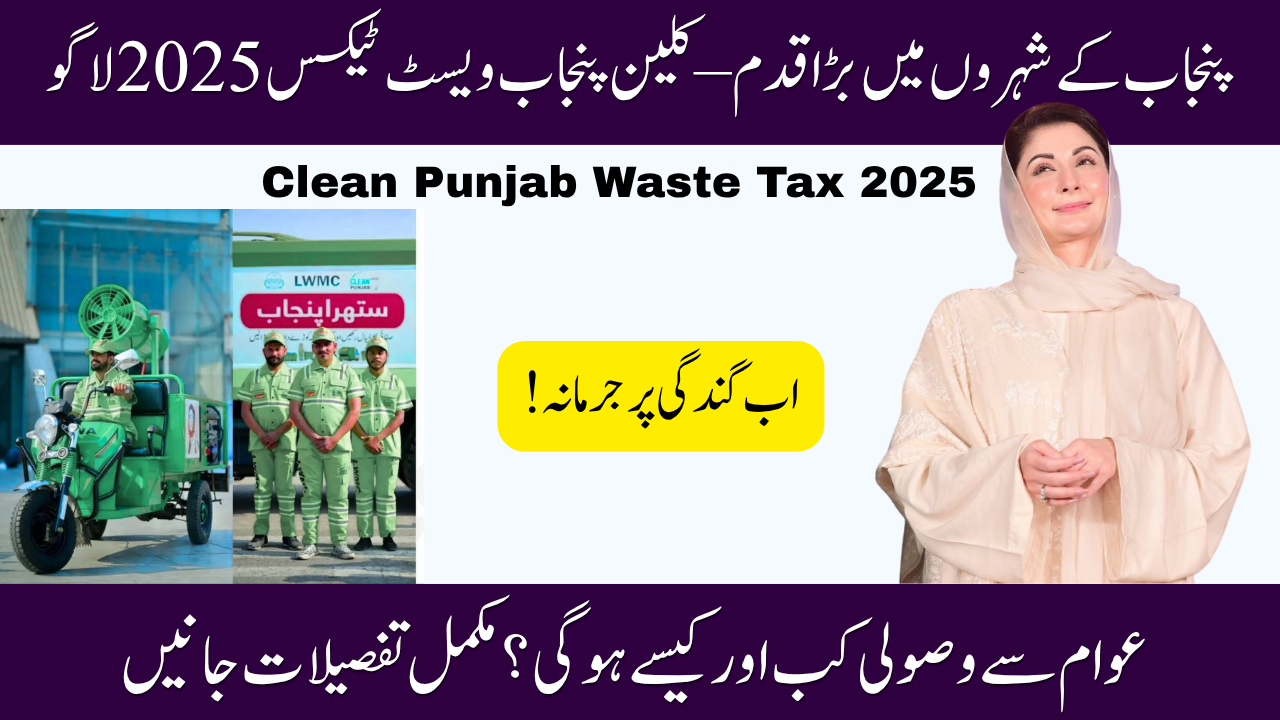
The Clean Punjab Waste Tax 2026 marks a bold and transformative step by the provincial government toward creating a cleaner, healthier, and more sustainable Punjab. This initiative directly addresses one of the region’s most persistent challenges: uncontrolled garbage accumulation and outdated waste management systems. Through this new waste tax, the government aims to generate sustainable funding, modernize sanitation services, and improve urban and rural cleanliness.
What Is the Clean Punjab Waste Tax 2026?
The Clean Punjab Waste Tax 2026 is part of the broader Clean Punjab (Suthra Punjab) Initiative. It is designed to tackle the growing issue of uncollected waste in both cities and villages. Streets filled with garbage, clogged drains, and overflowing dumpsites have become common sights across the province. This not only tarnishes the image of Punjab’s cities but also poses serious public health threats.
With this tax in place, the government plans to:
- Establish a dedicated revenue stream for sanitation departments.
- Introduce consistent door-to-door waste collection.
- Encourage households and businesses to take responsibility for proper disposal.
- Implement digital billing and monitoring systems to ensure transparency.
Why the Waste Tax Was Introduced
For decades, Punjab has struggled to keep up with its waste generation. Streets filled with piles of garbage lead to blocked sewer lines, foul smells, and dangerous breeding grounds for disease-carrying insects. Dengue, cholera, and respiratory illnesses have frequently spiked due to poor sanitation.
The Clean Punjab Waste Tax 2026 is the government’s response to:

- Fixing systemic waste management issues that have been neglected for years.
- Encouraging citizen participation through shared responsibility.
- Funding modern sanitation infrastructure with sustainable revenue.
By making waste management a shared effort between the government and the public, this initiative seeks to bring about lasting change.
Clean Punjab Waste Tax 2026 Rates
The tax amount has been structured to ensure fairness and affordability. It varies based on property size and type, ensuring that smaller households pay less, while larger properties and commercial entities contribute more in line with their waste generation.
| Property Type | Urban Rate (Monthly) | Rural Rate (Monthly) |
|---|---|---|
| 5 Marla House | Rs 300 | Rs 200 |
| 5–10 Marla House | Rs 500 | Rs 200 |
| 10 Marla – 1 Kanal House | Rs 1,000 | Rs 400 |
| 2–4 Kanal House | Rs 2,000 | Rs 400 |
| Above 4 Kanal (Urban Only) | Rs 5,000 | N/A |
| Small Shops | Rs 500 | Rs 300 |
| Medium Businesses | Rs 1,000 | Rs 700 |
| Large Commercial Units | Rs 3,000 | Rs 2,000 |
Key Point: Households will pay a nominal fee, while larger businesses — which produce more waste — will contribute a higher amount.
How the Waste Tax Will Be Collected
Role of Local Waste Management Companies
The collection of the Clean Punjab Waste Tax 2026 will be handled by local waste management organizations. For example, in Lahore, it will be collected by Lahore Waste Management Company. Similar agencies will manage the process in other districts.

Simplified Billing System
The tax will either be issued as a separate bill or added to municipal utility bills to make payments simple and convenient. In addition, electronic receipts and digital tracking systems will be implemented to:
- Increase transparency.
- Ensure funds are properly allocated.
- Minimize misuse of public money.
Phased Implementation Timeline
The rollout of the Clean Punjab Waste Tax 2026 will occur in stages to ensure smooth execution:
- Major cities like Lahore, Rawalpindi, Faisalabad, and Multan will implement the tax first.
- Gradual expansion to smaller towns and rural areas.
- Integration of advanced waste management technology across the province.
Special provisions will be made for low-income communities and slum areas, which may receive temporary exemptions or subsidized rates to avoid overburdening financially vulnerable families.
Benefits of the Clean Punjab Waste Tax 2026
The Clean Punjab Waste Tax 2026 is more than just a revenue tool. It represents a strategic shift toward modern, efficient, and sustainable waste management in Punjab. Key benefits include:

Cleaner Streets and Public Spaces
Regular waste collection will significantly reduce open dumping, unpleasant odors, and unsanitary conditions.
Better Drainage and Urban Infrastructure
Reduced garbage buildup will lower the risk of blocked drains and sewer overflows, preventing urban flooding during heavy rains.
Healthier Communities
Cleaner environments mean fewer breeding grounds for mosquitoes, flies, and rodents, lowering the spread of diseases like dengue and cholera.
Job Creation and Economic Growth
Expanding the sanitation sector will create thousands of jobs for cleaners, drivers, and logistics staff, boosting the local economy.

Modern Waste Management Practices
Punjab will move toward global standards with recycling systems, waste segregation, and smart monitoring technologies.
Potential Challenges and Public Concerns
While the Clean Punjab Waste Tax 2026 is a positive step forward, successful implementation requires careful planning and public cooperation. Here are some of the main challenges:
Public Resistance
Citizens may initially see the tax as an added financial burden, especially during times of economic pressure. Effective awareness campaigns will be necessary to explain its benefits.
Transparency and Accountability
For the tax to be widely accepted, visible improvements in waste collection must be evident. People will only trust the system if they see real change.

Enforcement and Compliance
Ensuring that every household and business pays the tax will require strong administrative mechanisms and regular monitoring.
Service Delivery
The initiative’s credibility will depend on efficient and timely garbage collection services. If services don’t improve, public trust may decline.
How Citizens Can Play Their Part
The Clean Punjab Waste Tax 2026 will only be successful if citizens actively participate. Here’s how individuals and businesses can contribute:
- Dispose of waste responsibly instead of dumping it in open areas.
- Pay the waste tax on time to ensure uninterrupted services.
- Segregate waste at home or at work, making recycling more efficient.
- Report service issues to local authorities to keep the system accountable.
Government’s Long-Term Vision
The Clean Punjab Waste Tax 2026 aligns with the government’s broader vision of creating a modern, clean, and healthy Punjab. By introducing a dedicated and transparent funding model, authorities aim to end decades of inefficient and underfunded sanitation practices.
This initiative is also expected to attract investment in recycling and waste-to-energy projects, positioning Punjab as a regional leader in sustainable waste management.
Conclusion
The Clean Punjab Waste Tax 2026 is a bold and necessary reform for a cleaner, healthier, and more livable province. For years, weak waste management systems have led to polluted streets, blocked drains, and widespread diseases. This new tax introduces a sustainable financial foundation for modern sanitation infrastructure.
Its success will depend on fair implementation, visible improvements, and strong citizen cooperation. If executed properly, the Clean Punjab Waste Tax 2026 could become a model for sustainable waste management not just in Punjab but across the country.




Aatish Khan is an SEO Expert with the experience of many years. His expertise are in Content Writing.